

The Science Behind Southern Utah’s Fall Foliage
Posted: October 22, 2026 | Author: SUU | Read Time: 4 minutes
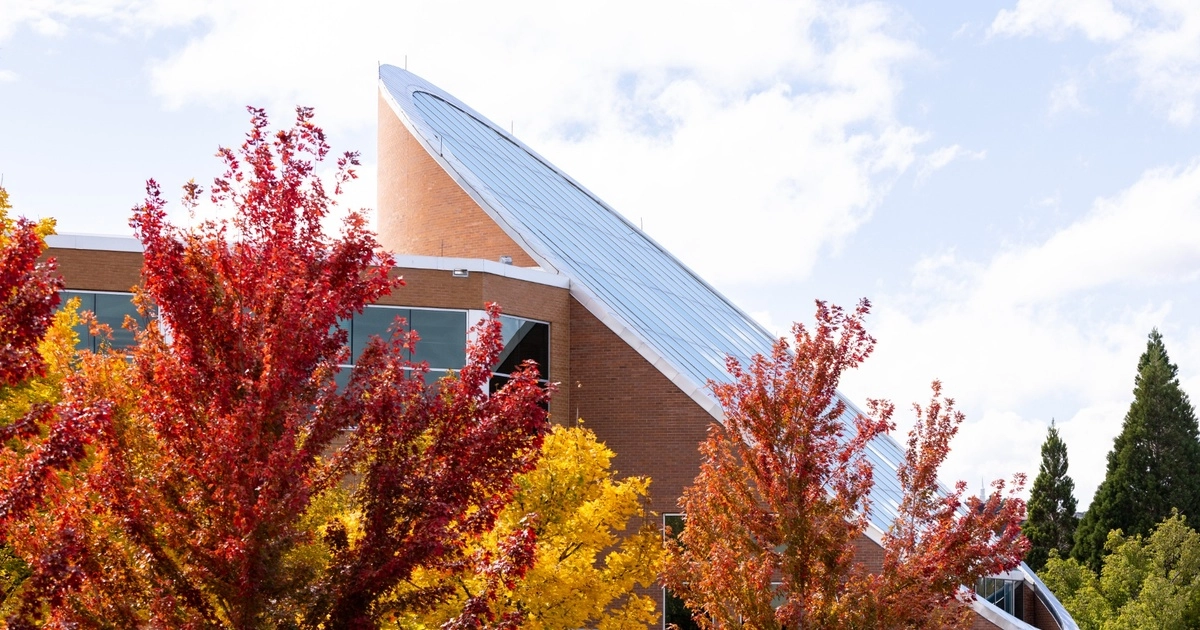
As crisp air rolls through the red rocks and high peaks of Southern Utah, our landscape undergoes one of the most stunning transformations of the year. From Cedar Breaks National Monument to the deep canyon walls of Zion, autumn brings a breathtaking tapestry of gold, orange, and red.
While we often think of fall colors as a brand-new arrival, the science behind the season reveals something fascinating: those brilliant yellow hues were actually there all along.
Dr. Matt Ogburn, associate professor of biology at SUU, recently spoke with St. George News about how our local plants prepare for the winter months ahead, and why Southern Utah is one of the best places to experience the season.
Nature's Ultimate Reset: Recycling Chlorophyll
As temperatures drop and daylight shortens, deciduous trees, plants that shed their leaves annually, begin preparing for the cold. Because leaves cannot photosynthesize effectively during winter freezes, keeping them active would waste vital energy.
Instead of tossing out hard-earned resources, trees practice nature's best recycling routine.
"The pigment molecules in the leaves, like the chlorophyll molecules, are pretty valuable to the plant," Dr. Ogburn explained to St. George News. "They'll pull those back into the trunk and break these molecules down to recycle them...it's just a matter of trying to not be wasteful."
By reabsorbing chlorophyll - the pigment responsible for green leaves during the spring and summer - trees conserve essential nutrients like nitrogen and magnesium.
Hidden Yellows and Reds
Once the green chlorophyll fades, the true colors of autumn emerge through distinct biological processes:
- Yellows and Oranges (Xanthophylls): These warm pigments are present in the leaves throughout the summer but remain hidden under dominant green chlorophyll. When chlorophyll is drawn back into the tree, pigments like xanthophylls are revealed. Species like cottonwoods and aspens highlight this yellow transformation across the region.
- Reds and Purples (Anthocyanins): Unlike yellow pigments, red colors aren't present all season long. Trees actively synthesize anthocyanins during autumn. "It's thought that what they're doing is almost like sunscreen... protecting the chlorophylls while they're being pulled out of the leaves," says Dr. Ogburn. Vibrant maples are famous for producing these striking red and orange tones.
Connected Underground: The Secret of Aspen Clones
If you've ever taken a scenic drive up Highway 14 or State Route 143, you may have noticed entire patches of quaking aspens changing color in complete unison. That uniform burst of gold isn't a coincidence - it's genetic.
Quaking aspens are clonal organisms connected underground through a shared root system called a rhizome. A single aspen colony can span acres and survive for thousands of years. Because every tree in a clone shares the exact same genetic blueprint and root connections, the whole patch makes the "decision" to pull back chlorophyll simultaneously.
Connected beneath the soil by a shared root system, thousands of individual aspen trunks share identical DNA that allows an entire colony to function as a single organism. Rather than relying on unpredictable weather, specialized leaf photoreceptors track lengthening autumn nights like a biological clock, reaching their sensitivity threshold at the exact same moment. Once triggered, every tree in the clone breaks down its green chlorophyll simultaneously to store vital nutrients in the roots for winter, unmasking hidden yellow pigments in unison and creating the sharp, distinct boundaries seen between neighboring clones across a mountainside.
"You can tell exactly where the different clones are because they'll start to change color at slightly different times," notes Dr. Ogburn.
How Evergreens and Wildflowers Prepare for the Season
Deciduous trees aren't the only local foliage adjusting to the changing climate. Other plants across Southern Utah have evolved unique strategies to handle the shift:
- Evergreens: Pine and fir trees retain their needles year-round. To prevent internal cell damage from freezing, conifers undergo a process called "cold hardening," creating protective proteins and compounds that act like natural antifreeze.
- Fall Wildflowers: While spring gets credit for floral blooms, species in the Asteraceae family - such as sunflowers, asters, rabbitbrush, and snakeweed - typically bloom in autumn.
- Desert Second Blooms: After an active summer monsoon season, desert plants like the globemallow will often take advantage of the moisture and produce a second bloom in early fall.
Experience Autumn in Our Backyard
 Southern Utah offers unparalleled opportunities to explore the outdoors during the fall season. Whether you're hiking local trails, exploring Cedar Canyon, or taking a scenic drive up toward Brian Head and Duck Creek Village, crisp mountain air and vibrant views await.
As you head outdoors, remember to practice responsible recreation principles: check weather conditions in advance, stay mindful of changing temperatures in high-elevation areas, and bring plenty of water when exploring desert trails.
Tags: Cedar City Campus Community