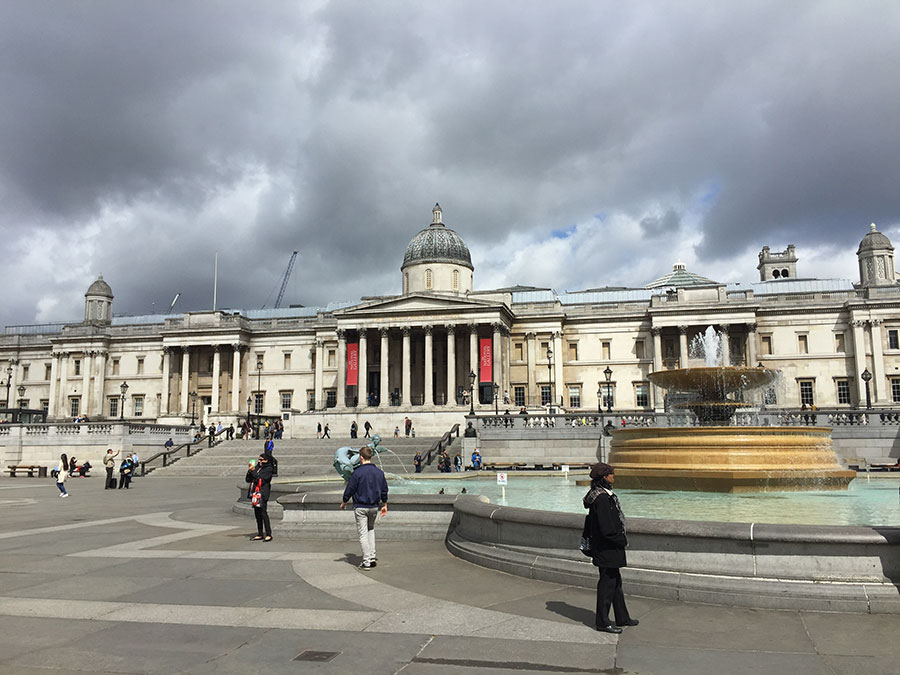
The National Gallery is an art museum on Trafalgar Square, London. Founded in 1824, it houses a collection of over 2,300 paintings dating from the mid-13th century to 1900. The Gallery is an exempt charity, and a non-departmental public body of the Department for Culture, Media and Sport. Its collection belongs to the public of the United Kingdom and entry to the main collection is free of charge. It is the fourth most visited art museum in the world, after the Musée du Louvre, the Metropolitan Museum of Art and the British Museum.
Science Museum
The museum is a major London tourist attraction, attracting 2.7 million visitors annually. The collections form an enduring record of scientific, technological and medical change since the eighteenth century.
British Museum
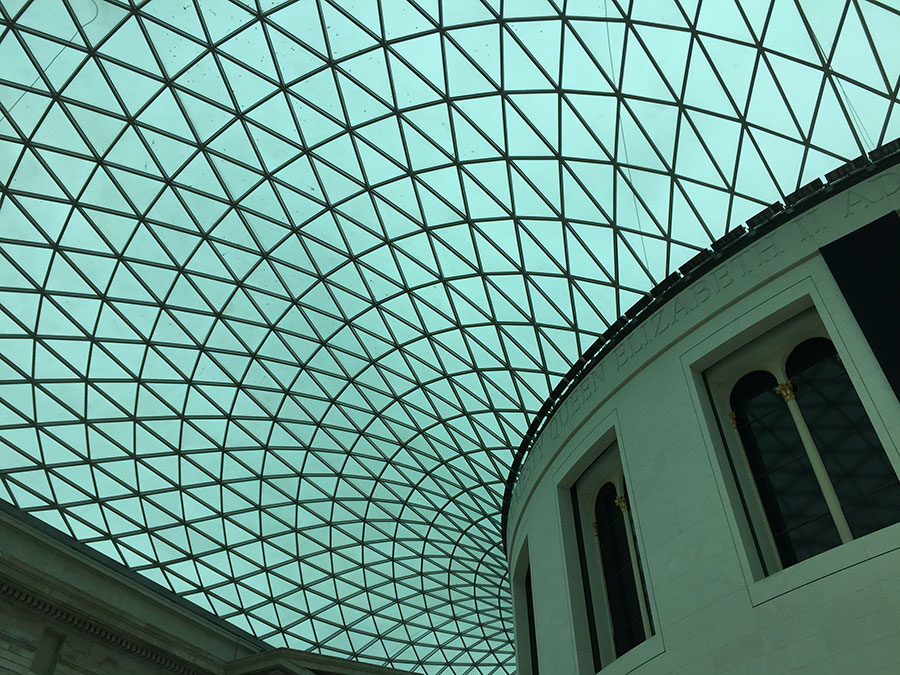
The British Museum is a museum in London dedicated to human history and culture. Its permanent collection, numbering some eight million works, is among the largest and most comprehensive in existence and originates from all continents, illustrating and documenting the story of human culture from its beginnings to the present.
Items in the collection include the Rosetta Stone, numerous mummies, and Egyptian statues dating from as far back as 3000 BC. Some objects in the collection, most notably the Elgin Marbles from the Parthenon, are the objects of intense controversy and of calls for restitution to their countries of origin.
Tate Britain
Tate Britain is an art gallery situated on Millbank in London, and part of the Tate gallery network in Britain, with Tate Modern, Tate Liverpool and Tate St Ives. It is the oldest gallery in the network, opening in 1897. It houses a substantial collection of the works of J. M. W. Turner. The gallery housed and displayed both British and Modern collections, but was renamed "Tate Britain" in March 2000, before the launch of Tate Modern, since which time it has been dedicated to the display of historical and contemporary British art only.
British Library
The British Library is the national library of the United Kingdom. The library is a major research library, holding over 150 million items from many countries, in many languages and in many formats, both print and digital: books, manuscripts, journals, newspapers, magazines, sound and music recordings, videos, play-scripts, patents, databases, maps, stamps, prints, drawings. The Library's collections include around 14 million books, along with substantial holdings of manuscripts and historical items dating back as far as 2000 BC. The Sir John Ritblat Gallery hosts a permanent free display of many of our greatest treasures. See over 200 beautiful and fascinating items: sacred texts from many faiths, maps and views, early printing, literary, historical, scientific and musical works from over the centuries and around the world. Discover some of the world's most exciting and significant books, from Magna Carta and the Gutenberg Bible, to Handel and the Beatles. Marvel at the genius behind the Leonardo notebooks, and see the earliest versions of some of the greatest works of English literature, including Alice's Adventures Under
Victoria & Albert Museum
The Victoria and Albert Museum (often abbreviated as the V&A), is the world's largest museum of decorative arts and design, housing a permanent collection of over 4.5 million objects. Named after Prince Albert and Queen Victoria, it was founded in 1852, and has since grown to cover 12.5 acres (51,000 m2) and 145 galleries. Its collection spans 5,000 years of art, from ancient times to the present day, in virtually every medium, from the cultures of Europe, North America, Asia and North Africa.
The holdings of ceramics, glass, textiles, costumes, silver, ironwork, jewelry, furniture, medieval objects, sculpture, prints and printmaking, drawings and photographs are among the largest, important and most comprehensive in the world. The museum possesses the world's largest collection of post-classical sculpture, the holdings of Italian Renaissance items are the largest outside Italy. The departments of Asia include art from South Asia, China, Japan, Korea and the Islamic world. The East Asian collections are among the best in Europe, with particular strengths in ceramics and metalwork, while the Islamic collection, alongside the British Museum, Musée du Louvre and Metropolitan Museum of Art, New York City, is amongst the largest in the Western world.
Tate Modern
Tate Modern is a modern art gallery located in London. It is Britain's national gallery of international modern art and forms part of the Tate group (together with Tate Britain, Tate Liverpool, Tate St Ives and Tate Online). It is the most-visited modern art gallery in the world, with around 4.7 million visitors per year. It is based in the former Bankside Power Station, in the Bankside area of Central London. Tate holds the national collection of British art from 1500 to the present day and international modern and contemporary art.
Imperial War Museum
Imperial War Museums (IWM) is a British national museum organisation with branches at five locations in England, three of which are in London. Founded as the Imperial War Museum in 1917, the museum was intended to record the civil and military war effort and sacrifice of Britain and its Empire during the First World War. The museum's remit has since expanded to include all conflicts in which British or Commonwealth forces have been involved since 1914. As of 2012, the museum aims 'to provide for, and to encourage, the study and understanding of the history of modern war and "wartime experience"'. The museum's collections include archives of personal and official documents, photographs, film and video material, and oral history recordings; an extensive library, a large art collection, and examples of military vehicles and aircraft, equipment and other artifacts.
Natural History Museum
The museum is home to life and earth science specimens comprising some 70 million items within five main collections: Botany, Entomology, Mineralogy, Palaeontology and Zoology. The museum is a world-renowned centre of research, specializing in taxonomy, identification and conservation. Given the age of the institution, many of the collections have great historical as well as scientific value, such as specimens collected by Darwin. The museum is particularly famous for its exhibition of dinosaur skeletons, and ornate architecture — sometimes dubbed a cathedral of nature — both exemplified by the large Diplodocus cast which dominates the vaulted central hall.
National Portait Gallery
The National Portrait Gallery is an art gallery in London, England, housing a collection of portraits of historically important and famous British people. It was the first portrait gallery in the world when it opened in 1856. The gallery houses portraits of historically important and famous British people, selected on the basis of the significance of the sitter, not that of the artist. The collection includes photographs and caricatures as well as paintings, drawings and sculptures. One of its best-known images is the Chandos portrait, the most famous portrait of William Shakespeare.
Harry Potter Studios
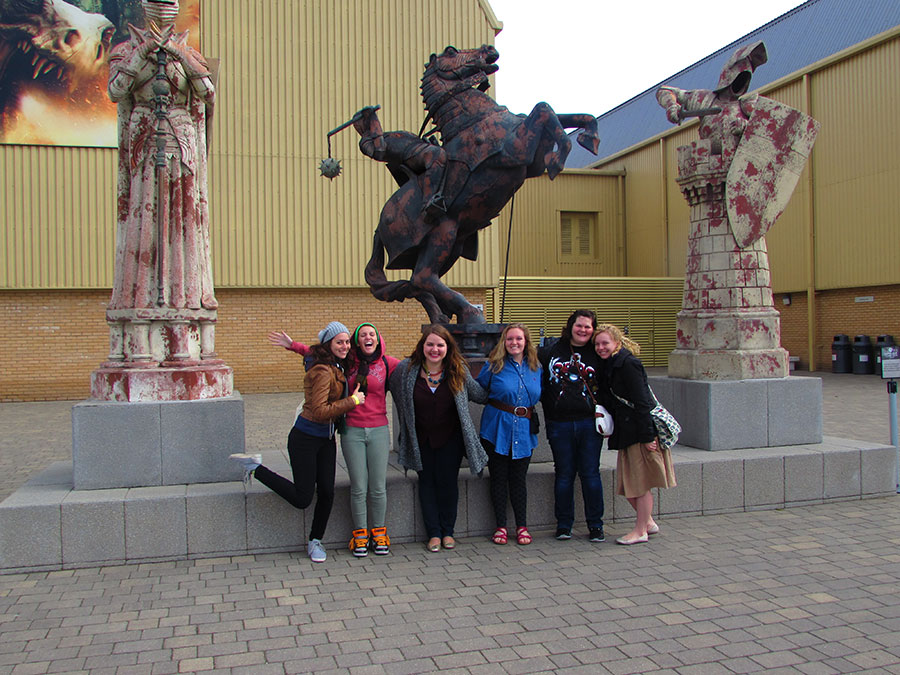
The Warner Bros. Studio Tour London brings to life the magic of the Harry Potter saga, from start to finish. See where Harry spent the first years we met him in Privet Drive with the Dursleys, sleeping in the cupboard under the stairs.
Next you’ll be taken into the huge Great Hall where many meals were taken and dramas unfolded.
Along the way you’ll get to see the real costumes and props Emma Watson, Daniel Radcliffe and Rupert Grint wore during filming. You can also visit the classrooms where the Hogwarts students spent time studying.
You’ll be amazed at the high quality and detail of the Studio Tour as you step inside Gryffindor common room, visit Dumbledore’s office, peer into Hagrid’s hut and see the incredible animatronic door to the Chamber of Secrets. Create your own movie and ride a broomstick in the green screen room, step onto Platform 9¾ and see inside the Hogwarts Express. Don’t leave without buying a delicious Butterbeer to taste for yourself!
Big Ben
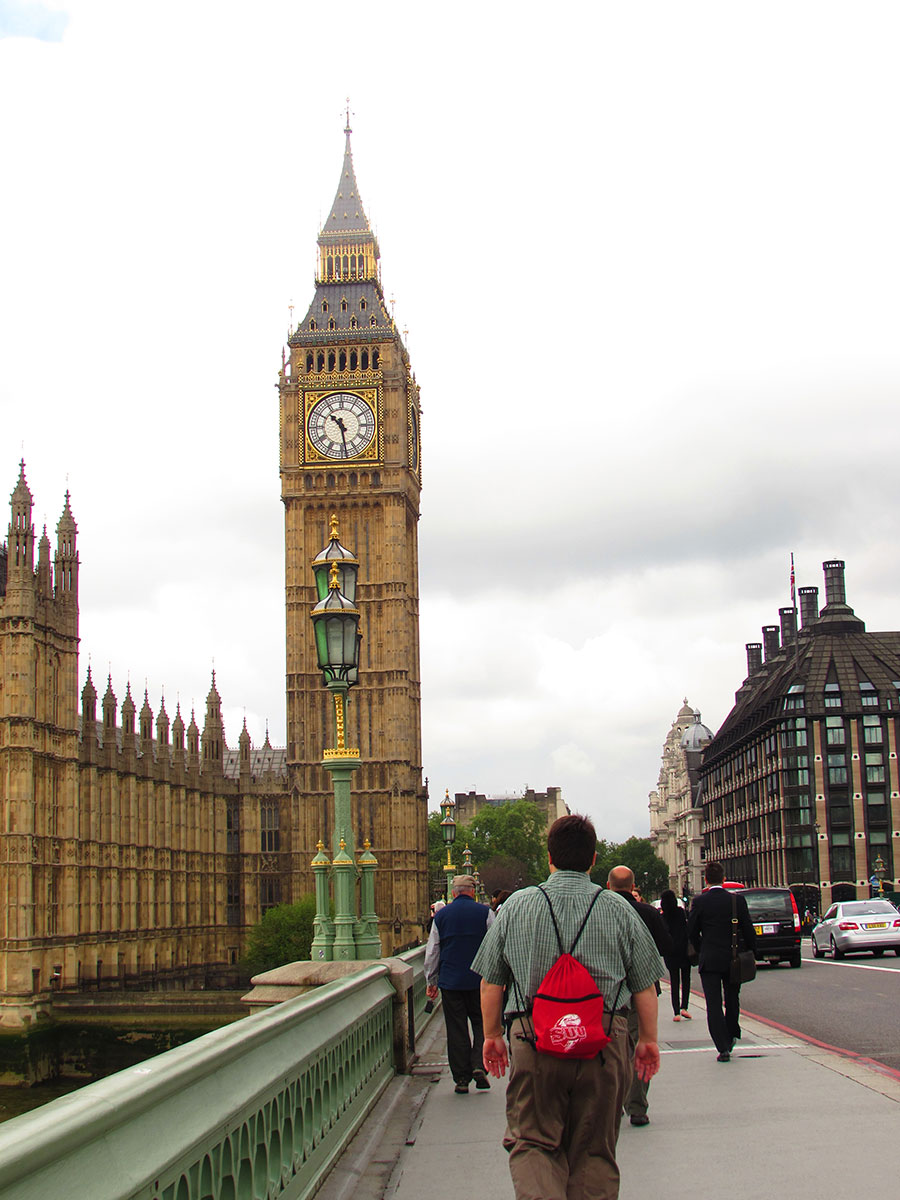
The name Big Ben is often used to describe the tower, the clock and the bell but the name was first given to the Great Bell. The Elizabeth Tower was completed in 1859 and the Great Clock started on 31 May, with the Great Bell's strikes heard for the first time on 11 July and the quarter bells first chimed on 7 September. The clock tower chimes are one of the most well-known sounds that ring across London. Big Ben then strikes the hour, creating the 'bongs' that have become so famous across the world, since they started in 1859.
Here are some of the fascinating facts and figures about the Elizabeth Tower:
Dimensions: over 96 metres and 12 metres square
Steps to belfry: 334
Steps to lantern (the Ayrton Light): 393
Amount of stone used: 850 cubic metres
Amount of bricks used: 2600 cubic metres
Number of floors: 11
The bell was cast in 1858 and is said to be named either after the Commissioner of Works at the time, Benjamin Hall, or the champion heavyweight boxer Ben Caunt. The note from the bell is E. Big Ben weighs 13.8 tons (tonnes).
Westminster Abbey
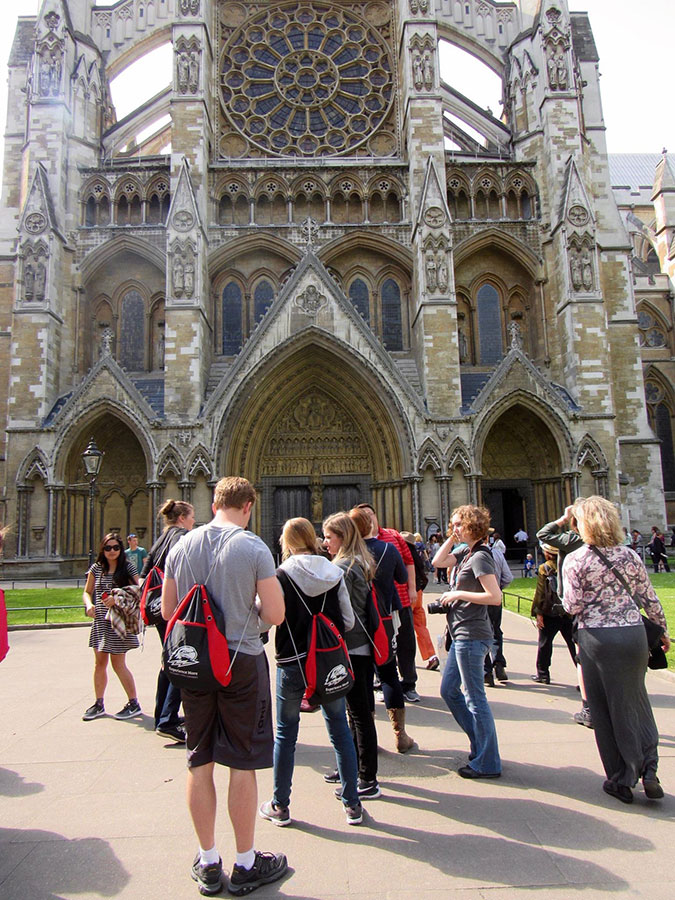
Westminster Abbey is steeped in more than a thousand years of history. Benedictine monks first came to this site in the middle of the tenth century, establishing a tradition of daily worship which continues to this day. The Abbey has been the coronation church since 1066 and is the final resting place of seventeen monarchs. The present church, begun by Henry III in 1245, is one of the most important Gothic buildings in the country, with the medieval shrine of an Anglo-Saxon saint still at its heart. Every monarch since William the Conqueror has been crowned here, with the exception of a couple of unlucky Eds who were murdered (Edward V) or abdicated (Edward VIII) before the magic moment. Look out for the strangely ordinary-looking Coronation Chair. A treasure house of paintings, stained glass, pavements, textiles and other artifacts, Westminster Abbey is also the place where some of the most significant people in the nation's history are buried or commemorated. Taken as a whole the tombs and memorials comprise the most significant single collection of monumental sculpture anywhere in the United Kingdom.
Piccadilly Circus
Piccadilly Circus is a road junction and public space of London's West End in the City of Westminster, built in 1819 to connect Regent Street with the major shopping street of Piccadilly. In this context, a circus, from the Latin word meaning "circle", is a round open space at a street junction. Piccadilly now links directly to the theatres on Shaftesbury Avenue, as well as the Haymarket, Coventry Street (onwards to Leicester Square), and Glasshouse Street. The Circus is close to major shopping and entertainment areas in the West End. Its status as a major traffic intersection has made Piccadilly Circus a busy meeting place and a tourist attraction in its own right. The Circus is particularly known for its video display and neon signs mounted on the corner building on the northern side, as well as the Shaftesbury memorial fountain and statue of the Greek god Anteros (popularly mistaken for his brother Eros). It is surrounded by several noted buildings, including the London Pavilion and Criterion Theatre. Directly underneath the plaza is Piccadilly Circus tube station, part of the London Underground system.
Palace at Westminster
The houses of British Parliament, the House of Commons and the House of Lords, have met in the Palace of Westminster since around 1550. A royal palace has been on the site for around 1,000 years, but most of what you see dates from the mid 19th century when the Palace was rebuilt after a 1834 fire destroyed the medieval buildings. The oldest part of the Palace is Westminster Hall, built between 1097 and 1099 by William Rufus. Henry VIII was the last monarch to live there; he moved out in 1512. After that, it served as the home of Parliament, which had been meeting there since the thirteenth century, and the seat of the Royal Courts of Justice, based in and around Westminster Hall. In 1834, an even greater fire ravaged the heavily rebuilt Houses of Parliament, and the only structures of significance to survive were Westminster Hall, the Cloisters of St Stephen's, the Chapel of St Mary.
Millennium Bridge
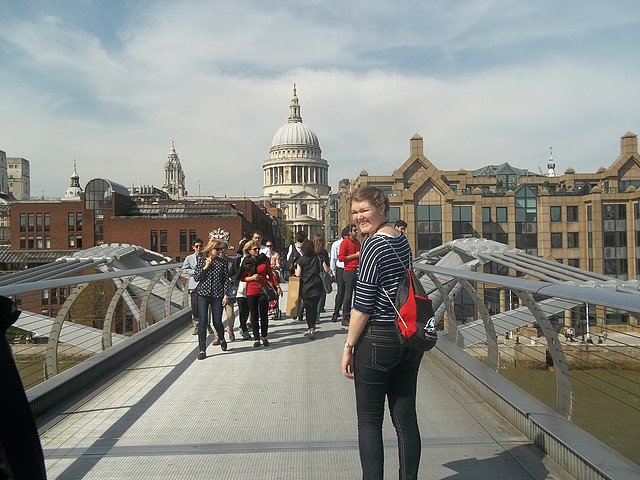
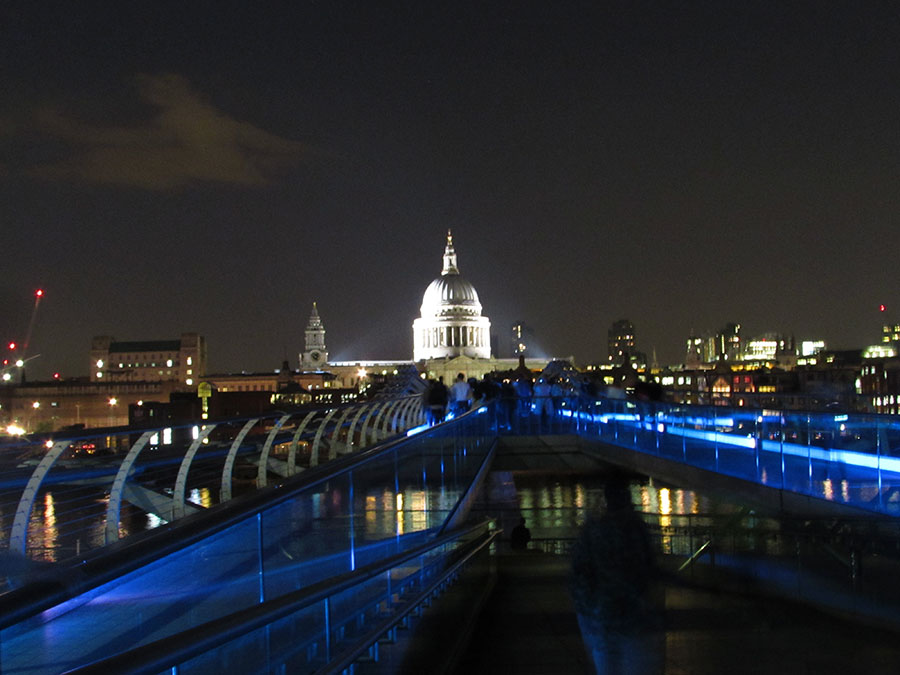
The Millennium Bridge, officially known as the London Millennium Footbridge, is a steel suspension bridge for pedestrians crossing the River Thames in London, England, linking Bankside with the City. It is located between Southwark Bridge (downstream) and Blackfriars Railway Bridge (upstream). The southern end of the bridge is near Globe Theatre, the Bankside Gallery and Tate Modern, the north end next to the City of London School below St Paul's Cathedral. The bridge alignment is such that a clear view of St Paul's south façade is presented from across the river, framed by the bridge supports. You may recognize it as the bridge destroyed by Death Eaters in the Harry Potter movies.
Victoria Station
London Victoria station, also known simply as Victoria, is a central London railway terminus and London Underground complex. It is named after nearby Victoria Street. With over 73 million passenger entries and exits between April 2010 and March 2011, Victoria is the second busiest railway terminus in London (and the UK) after Waterloo, and includes an air terminal for passengers travelling by train to Gatwick Airport.
The London Underground
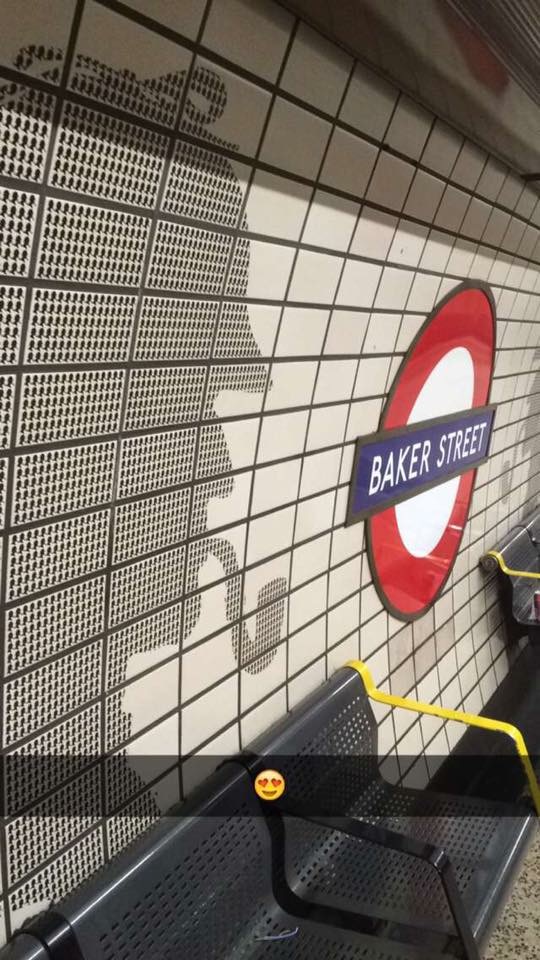
The London Underground (often shortened to the Underground) is a rapid transit system in the United Kingdom, serving a large part of Greater London. The oldest sections of the London Underground completed 150 years of operations on 10 January 2013. The Underground system is also colloquially known as the Tube.
The Underground serves 270 stations and has 402 kilometres (250 mi) of track. It is the fourth largest metro system in the world in terms of route miles, after the Seoul Metropolitan Subway, the Shanghai Metro and the Beijing Subway. It also has one of the largest numbers of stations. In 2007, more than one billion passenger journeys were recorded, and in the year 2011/12 passenger numbers were just under 1.2 billion making it the third busiest metro system in Europe, after Moscow and Paris.
London Eye
The London Eye is a giant Ferris wheel situated on the banks of the River Thames in London, England. The entire structure is 135 metres (443 ft) tall and the wheel has a diameter of 120 metres (394 ft). It is the tallest Ferris wheel in Europe.
Tower Bridge
Tower Bridge (built 1886–1894) is a combined bascule and suspension bridge in London, over the River Thames. It is close to the Tower of London, from which it takes its name. It has become an iconic symbol of London. The bridge consists of two towers tied together at the upper level by means of two horizontal walkways, designed to withstand the horizontal forces exerted by the suspended sections of the bridge on the landward sides of the towers. The vertical component of the forces in the suspended sections and the vertical reactions of the two walkways are carried by the two robust towers. The bascule pivots and operating machinery are housed in the base of each tower.
Nelson Monument
Nelson's Column is a monument in Trafalgar Square in central London built to commemorate Admiral Horatio Nelson, who died at the Battle of Trafalgar in 1805. The monument was constructed between 1840 and 1843 to a design by William Railton at a cost of £47,000. It is a column of the Corinthian order built from Dartmoor granite. The Craigleith sandstone statue of Nelson is by E. H. Baily and the four bronze lions on the base, added in 1867, were designed by Sir Edwin Landseer. The whole monument is 169 ft 3 in (51.6 m) tall from the bottom of the pedestal to the top of Nelson's hat.
Albert Memorial in Hyde Park
The Albert Memorial is situated in Kensington Gardens, directly to the north of the Royal Albert Hall. It was commissioned by Queen Victoria in memory of her beloved husband, Prince Albert who died of typhoid in 1861. The memorial was designed by Sir George Gilbert Scott in the Gothic Revival style. Opened in July 1872 by Queen Victoria, with the statue of Albert ceremonially "seated" in 1875, the memorial consists of an ornate canopy or pavilion, in the style of a Gothic ciborium over the high altar of a church, containing a statue of the prince facing south. The memorial is 176 feet (54m) tall, took over ten years to complete, and cost £120,000 (the equivalent of about £10,000,000 in 2010).
Trafalgar Square
Trafalgar Square is a public space and tourist attraction in central London, built around the area formerly known as Charing Cross. It is in the borough of the City of Westminster. At its centre is Nelson's Column, which is guarded by four lion statues at its base. There are a number of statues and sculptures in the square, with one plinth displaying changing pieces of contemporary art. The square is also used for political demonstrations and community gatherings, such as the celebration of New Year's Eve. The name commemorates the Battle of Trafalgar (1805), a British naval victory of the Napoleonic Wars over France. The original name was to have been "King William the Fourth's Square", but George Ledwell Taylor suggested the name "Trafalgar Square".
Royal Albert Hall
The Royal Albert Hall is a concert hall situated on the northern edge of the South Kensington area. Since its opening by Queen Victoria in 1871, the world's leading artists from several performance genres have appeared on its stage and it has become one of the UK's most treasured and distinctive buildings. Each year it hosts more than 350 events including classical concerts, rock and pop, ballet and opera, sports, award ceremonies, school and community events, charity performances and banquets.
Royal Opera House
The Royal Opera House is an opera house and major performing arts venue in Covent Garden, central London. The large building is often referred to as simply "Covent Garden", after a previous use of the site of the opera house's original construction in 1732. It is the home of The Royal Opera, The Royal Ballet, and the Orchestra of the Royal Opera House.
West End Theatre District
West End theatre is a popular term for mainstream professional theatre staged in the large theatres of London's "Theatreland", the West End. Along with New York's Broadway theatre, West End theatre is usually considered to represent the highest level of commercial theatre in the English-speaking world. Seeing a West End show is a common tourist activity in London. Total attendances first surpassed 12 million in 2002 and 13 million in 2007, setting a new record for the West End. Since the late 1990s there has been an increase in the number of famous screen actors on the London stage. The first permanent public playhouse, known simply as The Theatre, was constructed in 1576 in Shoreditch by James Burbage. It was soon joined by The Curtain. Both are known to have been used by William Shakespeare's company. In 1599, the timber from The Theatre was moved to Southwark, where it was used in building the Globe Theatre in a new theatre district formed, beyond the controls of the City corporation. These theatres were closed in 1642 due to the Puritans who would later influence the interregnum of 1649.
Shakespeare's Globe Theatre
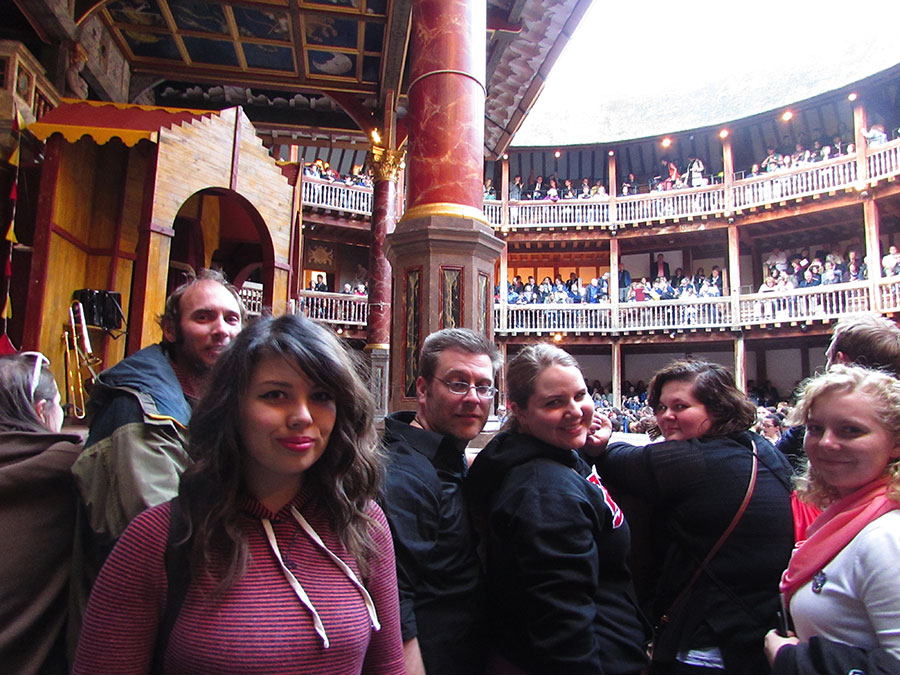
Shakespeare's Globe is a reconstruction of the Globe Theatre, an Elizabethan playhouse in the London Borough of Southwark, on the south bank of the River Thames that was destroyed by fire in 1613, rebuilt in 1614, and then demolished in 1644. The modern reconstruction is an academic approximation based on available evidence of the 1599 and 1614 buildings. It was founded by the actor and director Sam Wanamaker and built about 230 metres (750 ft) from the site of the original theatre and opened to the public in 1995, with a production of Henry V. The site also includes a shell reconstruction of the Blackfriars Theatre, another Elizabethan theatre.
St. Paul's Cathedral
St Paul's Cathedral, London, is a Church of England cathedral and seat of the Bishop of London. Its dedication to Paul the Apostle dates back to the original church on this site, founded in AD 604. St Paul's sits at the top of Ludgate Hill, the highest point in the City of London, and is the mother church of the Diocese of London. The present church dating from the late 17th century was built to an English Baroque design of Sir Christopher Wren, as part of a major rebuilding program which took place in the city after the Great Fire of London, and was completed within his lifetime. The cathedral is one of the most famous and most recognizable sights of London, with its dome, framed by the spires of Wren's City churches, dominating the skyline for 300 years. At 365 feet (111 m) high, it was the tallest building in London from 1710 to 1962, and its dome is also among the highest in the world. In terms of area, St Paul's is the second largest church building in the United Kingdom after Liverpool Cathedral.
Buckingham Palace
Buckingham Palace has served as the official London residence of Britain's sovereigns since 1837 and today is the administrative headquarters of the Monarch. The Palace is very much a working building and the centerpiece of Britain's constitutional monarchy. It houses the offices of those who support the day-to-day activities and duties of The Queen and The Duke of Edinburgh and their immediate family. The Palace is also the venue for great Royal ceremonies, State Visits and Investitures, all of which are organised by the Royal Household. Its State Rooms form the nucleus of the working Palace and are used regularly by The Queen and members of the Royal Family for official and State entertaining.
Kensington Palace
Kensington Palace is a royal residence set in Kensington Gardens, in the Royal Borough of Kensington and Chelsea in London, England. It has been a residence of the British Royal Family since the 17th century, and is the official London residence of the Duke and Duchess of Cambridge, the Duke and Duchess of Gloucester and Prince and Princess Michael of Kent, while the Duke and Duchess of Kent reside at Wren House. Kensington Palace is also used on an unofficial basis by Prince Harry, as well as his cousin Zara Phillips. It was the official residence of Diana, Princess of Wales (from 1981 until her death in 1997), Princess Margaret (from 1960 until her death in 2002) and Princess Alice (from 1994 until her death in 2004).
Tower of London
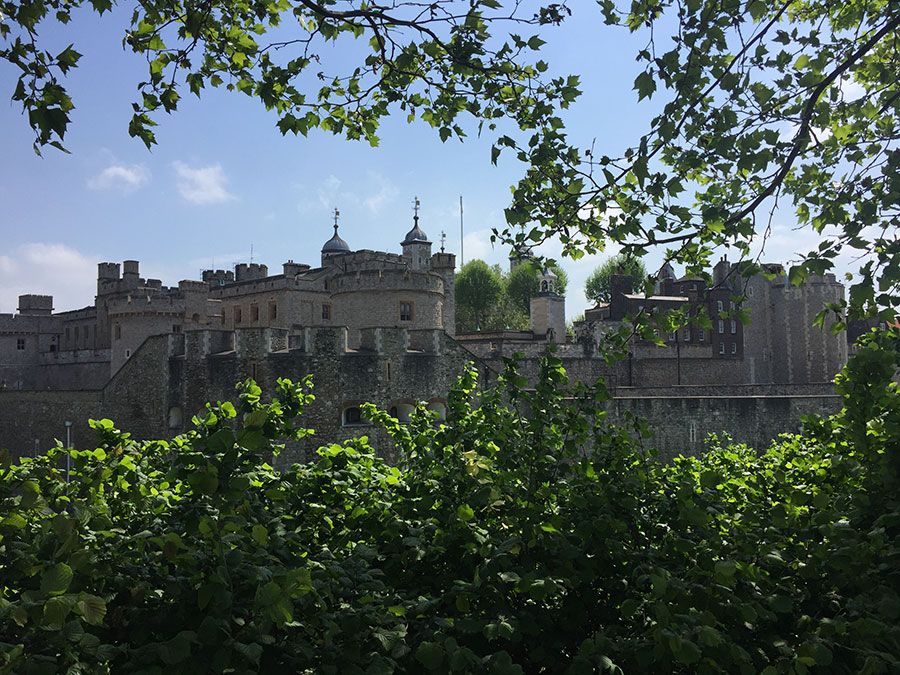
Her Majesty's Royal Palace and Fortress, more commonly known as the Tower of London, is a historic castle on the north bank of the River Thames. It was founded towards the end of 1066 as part of the Norman Conquest of England. The White Tower, which gives the entire castle its name, was built by William the Conqueror in 1078, and was a resented symbol of oppression, inflicted upon London by the new ruling elite. The castle was used as a prison since at least 1100, although that was not its primary purpose. A grand palace early in its history, it served as a royal residence. As a whole, the Tower is a complex of several buildings set within two concentric rings of defensive walls and a moat. There were several phases of expansion, mainly under Kings Richard the Lionheart, Henry III, and Edward I in the 12th and 13th centuries.
The general layout established by the late 13th century remains despite later activity on the site. The Tower of London has played a prominent role in English history. It was besieged several times and controlling it has been important to controlling the country. The Tower has served variously as an armoury, a treasury, a menagerie, the home of the Royal Mint, a public records office, and the home of the Crown Jewels of the United Kingdom. From the early 14th century until the reign of Charles II, a procession would be led from the Tower to Westminster Abbey on the coronation of a monarch. In the absence of the monarch, the Constable of the Tower is in charge of the castle. This was a powerful and trusted position in the medieval period. In the late 15th century the castle was the prison of the Princes in the Tower. Under the Tudors, the Tower became used less as a royal residence, and despite attempts to refortify and repair the castle its defences lagged behind developments to deal with artillery.
Primrose Hill
Primrose Hill is a hill of 256 feet (78 m) located on the northern side of Regent's Park in London, and also the name given to the surrounding district. The hill has a clear view of central London to the south-east, as well as Belsize Park and Hampstead to the north. It is one of the most exclusive and expensive residential areas in London and is home to many notable residents.
Covent Garden
Covent Garden is a district in London on the eastern fringes of the West End, between St. Martin's Lane and Drury Lane. It is associated with the former fruit and vegetable market in the central square, now a popular shopping and tourist site, and the Royal Opera House. It contains elegant buildings, theatres, Drury Lane, the London Transport Museum, and many street performers.
Hyde Park & Kensington Gardens
Hyde Park is one of the largest parks in central London, and one of the Royal Parks of London, famous for its Speakers' Corner. The park is divided in two by the Serpentine. The park is contiguous with Kensington Gardens; although often still assumed to be part of Hyde Park, Kensington Gardens has been technically separate since 1728. Hyde Park covers 142 hectares (350 acres) and Kensington Gardens covers 111 hectares (270 acres), giving an overall area of 253 hectares (630 acres), making the combined area larger than the Principality of Monaco (196 hectares, 480 acres), though smaller than New York City's Central Park (341 hectares, 840 acres).