
Food Safety and Security for College Students
Posted: December 01, 2025 | Author: River Deuel | Read Time: 3 minutes
 For many students, college is their first time living away from their families. That means there's decreased access to the family pantry and cooking utensils, nobody to help you clean the pots and pans, and certainly nobody to stop you from putting that raw chicken directly onto the counter. This makes it a great time to discuss food safety and food insecurity.
Food Safety
According to the FDA, 1 in 6 Americans contracts food poisoning each year. That's a whopping 48 million cases! Luckily, there are steps that you can take when preparing food at home to mitigate the risk of foodborne illnesses.
Clean
Before cooking, make sure that all of the utensils, cutting boards, pots, pans, and surfaces that food will touch are clean. Also, be sure to wash your hands before, during, and after the cooking process. While on this topic, make sure that the utensils you are using are actually food safe! If a plastic utensil was not intended for use in the kitchen, then there's a possibility that the plastic used to make it was not meant to be heated above a certain temperature.
Separate
The next key step is to separate raw meat from other foods, not just in the kitchen, but also while you are shopping and while they are being stored. Raw meat can carry harmful bacteria like Salmonella and E. coli. These bacteria are killed when the meat is cooked to the proper temperature, but thrive at room temperature. This is why raw meat should be kept away from food that will not be cooked, such as produce or bread. Cooked food should never go on a plate that held raw meat unless that plate has been washed with soap and hot water.
Cook
As previously mentioned, raw meat needs to be brought to the proper temperature while cooking in order to kill the bacteria that can make you sick. Color and temperature can be unreliable indicators of food safety, so the only way to know that your meat is completely done is with a food thermometer. The temperature it needs to reach varies based on the type of meat: steaks, beef roasts, and pork chops should reach 145℉, ground beef and ground pork should
reach 160℉, and chicken should reach 165℉. When cooking using a microwave, food should be covered, rotated, and occasionally stirred to ensure even cooking.
Chill
Perishables should be refrigerated within two hours of purchasing, or within one hour if the outdoor temperature is above 90℉. When the time comes to put everything away, be sure to store the leftovers in a shallow, food-safe container in the fridge to allow for faster cooling.
Food Insecurity
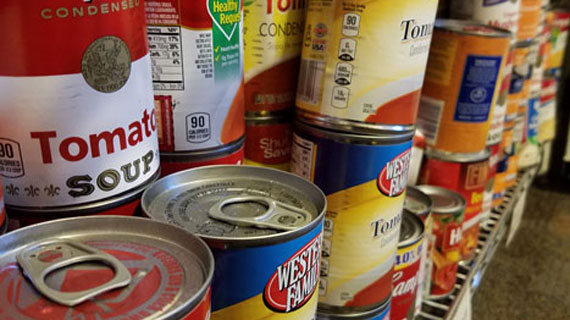
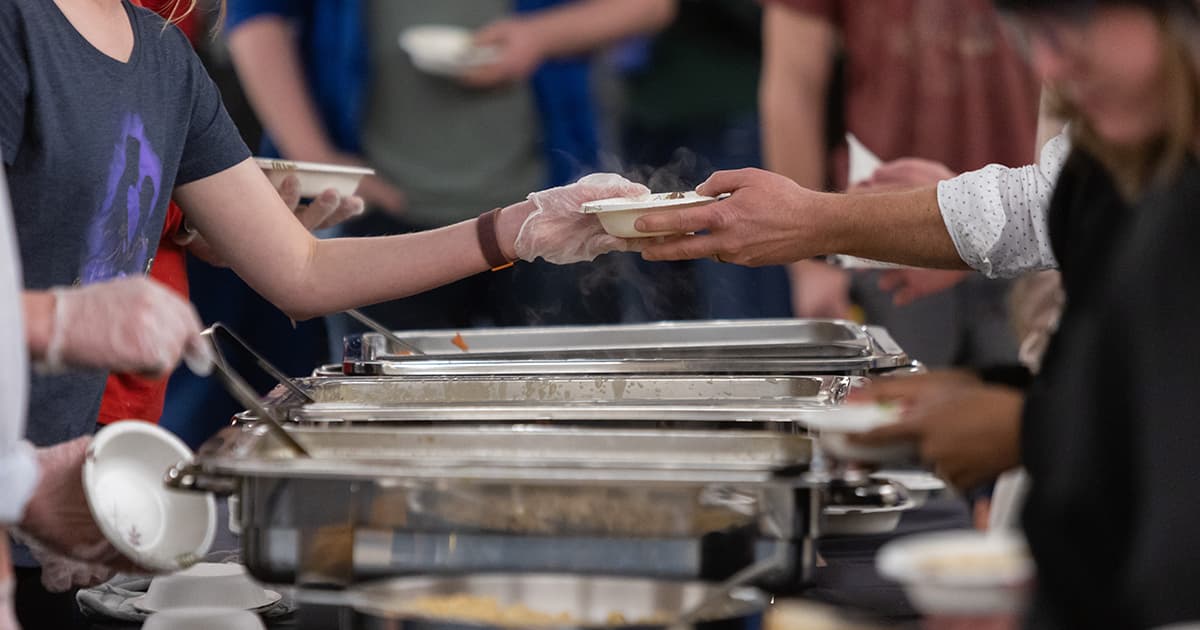
When you're worried about where your next meal is going to come from, it can be difficult to focus on anything else, including your studies. If this describes your situation, you don't have to navigate this alone. The SUU HOPE Pantry offers resources like shelf-stable food, milk, bread, and toiletries to SUU students. They are open for appointments from 9 a.m. to 5 p.m. Monday through Friday. The link to make an appointment can be found on the SUU portal. There are also community food assistance resources available, such as the Iron County Care and Share and the Utah Food Bank.